Acreage and land use
The amount of land, intended use and contribution to value may affect appraisal and program fit.
Baker County home financing
Baker County’s more rural setting can bring acreage, private utilities, manufactured homes, outbuildings and property-access questions into the financing review. Those details are manageable when they are identified early.
Market overview
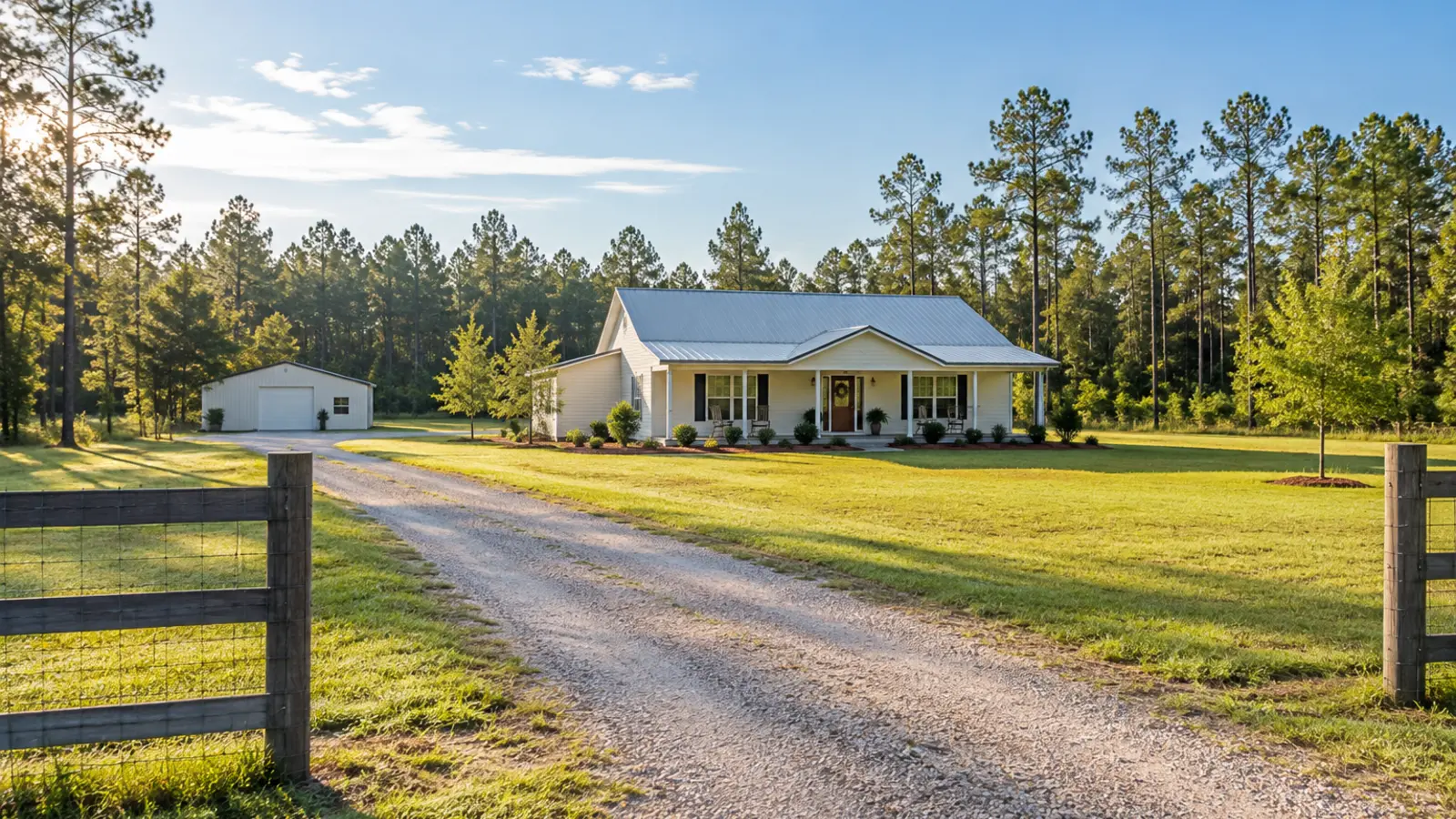
A rural-property review looks beyond the house itself. The lender and appraiser may need to understand the land, access, utilities, structures, title and whether the property is residential and typical for its market. Buyers should also plan for insurance, taxes and maintenance using the actual property—not a generic estimate.
Housing characteristics
The amount of land, intended use and contribution to value may affect appraisal and program fit.
Private systems may bring inspection or documentation questions that depend on the property and loan.
Construction type, title, foundation, condition and land ownership must be reviewed carefully.
Workshops, barns, private roads and easements can require additional documentation or appraisal attention.
Financing considerations
Describe acreage, agricultural use and every major structure at the beginning of the review.
Confirm legal and physical access, especially when a private road or easement is involved.
Identify well, septic and other utility arrangements.
For manufactured homes, confirm title and foundation details before assuming a program will fit.
Use Baker County property and mapping resources to research the parcel, then verify loan-specific requirements.
Property types
Land, access, use and comparable sales can influence valuation and program fit.
Eligibility depends on the specific home, foundation, title, condition, land and program.
Private utilities, road access, property condition and insurance belong in the early review.
The use and value of barns, shops or other structures may require appraisal and underwriting attention.
Programs worth exploring
A broad option for many eligible primary-home, second-home and investment scenarios.
Learn about this optionGovernment-insured financing for eligible primary-residence purchases.
Learn about this optionA benefit for eligible military borrowers purchasing an appropriate primary residence.
Learn about this optionFlorida programs may be worth reviewing when current borrower, property and funding rules align.
Learn about this optionNew construction
Building on rural land can involve construction contracts, site work, utilities, access, surveys, permits and a different financing structure than purchasing a completed home. Review the project and land before assuming a standard purchase loan applies.
Local homebuyer questions
Potentially. The lender and appraiser consider the property’s residential use, marketability, comparable sales, improvements and selected program.
It can. The structure’s condition, use and contribution to value may need review, especially if it suggests business or agricultural use.
Construction standards and date, title status, permanent foundation, land ownership, condition and loan-program rules can all matter.
Yes. General education cannot determine eligibility. The borrower, property, appraisal, title and selected loan must be reviewed together.
Nearby market guides
Plan with local context